

The Role of Gutters in Residence Upkeep
Gutter installation in Arkansas plays a critical role in preserving the structural integrity of a property. Gutters are not just a convenience—they are a necessary element of any home's exterior installation. They help channel rainwater away from the foundation, preventing water wear and preserving the in general condition of the home. In Arkansas, where weather patterns can vary significantly, correct gutter installation is crucial for long-term property upkeep.
One of the primary functions of gutters is roof protection. When rainwater is not properly directed away from the home, it can seep into the roof, leading to leaks, mold, and even structural harm. This is particularly essential in Arkansas, where heavy rainfall and occasional storms can test the durability of a property's exterior. A well-installed gutter setup ensures that water is efficiently managed, reducing the risk of costly repairs down the line.
Home value is directly influenced by the condition of a home's exterior, and gutters are a key factor in that equation. A home with functional gutters is more likely to maintain its value over time. Potential buyers often look for homes with well-maintained systems, including gutters, as a sign of care and attention to detail. In Arkansas, where the climate can be unpredictable, having a reliable gutter system can make a home more attractive to buyers and increase its market value.
For homeowners in Arkansas, investing in proper gutter installation is not just about aesthetics—it's about protecting their investment. Whether in a bustling city like Little Rock or a smaller town, the importance of gutters remains consistent. The right installation can prevent water-related damage, improve the overall look of a home, and contribute to a higher property value.
Environmental Factors for Gutter Installation in Arkansas
Arkansas weather is known for its variability, with heavy rainfall in the spring and summer months, and occasional severe storms throughout the year. These conditions make it vital for property owners to evaluate the local climate when planning gutter installation in Arkansas. Knowing the particular challenges posed by Arkansas weather can support ensure that the chosen gutter setup is both practical and long-lasting.
Rainfall is one of the most significant elements in gutter design and installation. In Arkansas, areas like Little Rock experience regular and sometimes intense rainfall, which can overwhelm improperly installed gutters. A well-designed gutter setup must be able to handle the volume of water that flows off a roof during these periods. This includes confirming that the gutters are the right size, properly sloped, and connected to downspouts that direct water away from the residence.
Storm damage is another concern for property owners in Arkansas. The state is prone to thunderstorms, which can bring high winds and heavy rain. Gutters that are not installed correctly can be damaged or detached during these events, leading to water harm and high-cost repairs. In regions like Fayetteville, where the climate is more humid, the risk of rust and corrosion is higher, making it even more vital to pick the right materials and installation techniques.
Arkansas climate also affects the frequency of upkeep. In areas with common rainfall, gutters can become clogged with leaves and debris more quickly, requiring regular cleaning. This is especially true in cities like Hot Springs, where the mountainous terrain can increase runoff and lead to more frequent clogging. Homeowners in these areas must be aware of the specific challenges their location presents and plan accordingly.
Storm season in Arkansas is a time when homeowners should pay close attention to their gutter systems. A well-maintained system can prevent water from pooling around the foundation, which can lead to basement flooding and other issues. By understanding the local climate and preparing for the challenges it presents, homeowners can ensure that their gutters perform effectively and contribute to the overall value of their home.
Prime Options for Gutter Installation in Arkansas
Choosing the right gutter materials is vital for providing long-term functionality in Arkansas. The state's climate, with its variety of heavy rainfall, humidity, and intermittent severe weather, requires materials that are both robust and capable to the elements. Homeowners in Arkansas should take into account the unique demands of their region when choosing materials for their gutter setup.
A of the most popular materials used in gutter installation in Arkansas is aluminum. This material is easy to carry, corrosion-resistant, and fairly inexpensive. In areas like Fayetteville, where humidity is a concern, aluminum gutters are a popular choice because they are less apt to rust compared to other metals. Their sturdiness and simplicity in installation make them a suitable option for many homeowners.
A selection is galvanized steel, which is known for its strength and durability. While it is higher costly, it gives better resistance to bumps and harm. This makes it a adequate option for homes in areas with regular storms or high winds, such as parts of Little Rock. However, homeowners should be informed that galvanized steel can still be likely to rust over time, especially in moist conditions.
Vinyl gutters are an choice that is becoming fame in Arkansas. https://md.sigma2.no/7PEy4v9ySSyL3Dsvu1D08g They are easy to carry, easy to install, and immune to wetness. However, they are not as sturdy as metallic options and can turn brittle in intense weather situations. For homeowners in areas with softer climates, vinyl may be a acceptable choice, but it may not the ideal option for regions with common heavy rainfall or severe tempests.
Copper gutters are a greater premium option, known for their aesthetic charm and endurance. While they are greater priced, they can endure for decades with slight attention. However, they are not commonly used in Arkansas due to their great price and the reality that they may not the optimal choice for the region's environment and environment situations.
In addition to product choice, the durability of a gutter system is impacted by the mounting procedure. Correct installation ensures that the gutters are firmly attached and accurately pitched to allow for smooth water movement. This is especially important in Arkansas, where the union of heavy rainfall and likely storm effects can place extra pressure on the system.
Homeowners in Arkansas should also evaluate the local climate when picking elements. For example, in locations with significant precipitation, such as Hot Springs, it may be helpful to choose materials that are more resistant to clogging and wet damage. By choosing appropriate elements and confirming correct mounting, homeowners can safeguard their property and increase the value of their property.
How Gutter Installation Affects Building Value
Gutter installation in Arkansas can have a major impact on building value. A well-maintained and properly installed gutter setup is frequently seen as a positive feature by potential homebuyers. It signals that the residence has been cared for and that the exterior systems are in good working order. This can make a property more attractive in the Arkansas real estate market, potentially increasing its resale value.
Building appraisal is one of the key considerations in determining a residence's value, and gutters play a role in this process. Appraisers take into account the condition of a home's exterior, including the functionality of the gutter system. A home with a well-maintained gutter installation is more likely to receive a higher appraisal, as it indicates that the home is in good condition and calls for less prompt maintenance.
Property improvement jobs, such as gutter installation, can also contribute to a home's value. In Arkansas, where the climate can be challenging, a reliable gutter installation is often considered a valuable home improvement. It not only protects the home from water damage but also enhances its overall appearance. This can make a home more appealing to buyers and potentially increase its market value.
In the Arkansas real estate market, the condition of a home's exterior can influence buyer interest and offer prices. A home with functional gutters is more likely to be viewed as a better investment, as it reduces the risk of future water-related issues. This is especially important in areas with high rainfall or frequent storms, where a well-designed gutter system can prevent costly damage.
For homeowners looking to increase their home value, gutter installation is a practical and effective investment. It not only improves the functionality of the home but also contributes to its overall appeal. In Arkansas, where the climate can be unpredictable, having a reliable gutter system is a key factor in maintaining and enhancing property value.
Professional Gutter setup in Arkansas
The professional gutter installation process in Arkansas involves several key steps to ensure that the system is both functional and durable. Homeowners in Arkansas should work with experienced contractors who understand the local climate and can provide a high-quality installation. This process typically begins with an review of the home's roof and existing gutter system, followed by the picking of appropriate materials and the actual installation.
One of the first steps in the installation process is assessing the roof and determining the size and type of gutters needed. This is essential for ensuring that the system can handle the volume of water that flows off the roof during heavy rainfall. In Arkansas, where rainfall can be significant, it's important to choose gutters that are properly sized and designed to handle the local conditions.
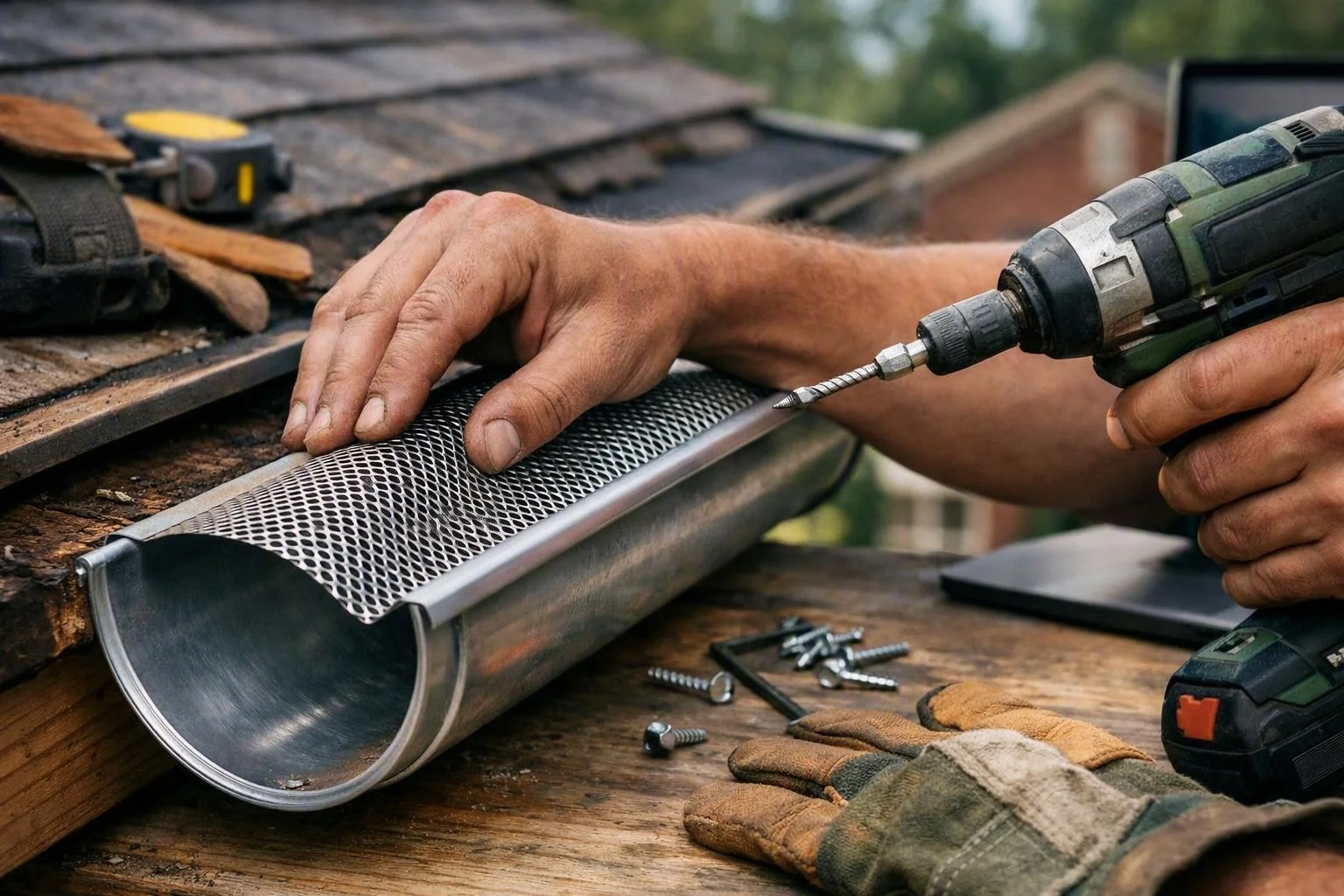
Once the measurements are taken, the next step is to install the gutters along the edges of the roof. This involves securing the gutters to the fascia board using brackets or hangers. Right installation is essential to prevent the gutters from drooping or becoming detached, especially in areas with frequent storms. In cities like Little Rock, where heavy rainfall is common, homeowners should ensure that their gutters are installed with the proper slope to allow for effective water flow.
After the gutters are in place, drain pipes are added to direct the water away from the home. The positioning of downspouts is crucial, as they should be placed to avoid water pooling around the foundation. In some areas of Arkansas, such as Fort Smith, local building codes may demand specific downspout placement to ensure proper drainage and prevent water damage.
The final step in the installation process is checking the system to ensure that it functions correctly. This involves reviewing for leaks, confirming that the gutters are properly sloped, and making sure that water is being directed away from the home as intended. A well-installed gutter system not only safeguards the home from water damage but also adds to its overall value and appearance.
For homeowners in Arkansas, partnering with a trusted contractor can create a big difference in the quality of the installation. Experienced installers know the local climate and can offer advice based on the particular needs of the home. This ensures that the gutter system is both functional and long-lasting, offering homeowners with peace of mind and preserving their investment.
Local Building Codes and Gutter Installation in Arkansas
Local building codes in Arkansas play a vital role in ensuring that gutter installation meets particular safety and performance standards. These codes are designed to protect homeowners and maintain the integrity of the built environment, especially in areas with unique climate conditions. Understanding and following these regulations is essential for anyone planning to install or replace gutters in Arkansas.
Arkansas regulations vary by city, but there are similar requirements that apply throughout the state. For example, in Fort Smith, local building codes require gutters to be installed with a 1/4-inch drop per 10 feet to ensure adequate drainage. This slope is critical for preventing water from pooling in the gutters, which can lead to leaks and damage. Homeowners in this area should be knowledgeable of these particular requirements to ensure their installation meets local standards.
Another significant aspect of local building codes is the need for permits. In many Arkansas cities, a permit is required for gutter installation, especially for new systems or major repairs. This process guarantees that the work is done correctly and in compliance with local regulations. Homeowners should check with their local municipality to determine if a permit is needed and what the distinct requirements are.
In addition to slope and permits, local building codes may also cover the materials used in gutter installation. Some areas may have limitations on certain types of materials, especially if they do not meet resilience or safety standards. For example, in regions with heavy rainfall, codes may require the use of materials that are capable to corrosion and can withstand strong water flow. This helps ensure that the gutter system remains effective for years to come.
Compliance with local building codes is not just a regulatory requirement—it also enhances to the overall safety and value of a home. A correctly installed gutter system that meets local standards is less probable to cause damage or require frequent repairs. This can save homeowners money in the long run and help maintain the property's value.
For residents in Arkansas, it's important to work with builders who are familiar with area building codes and can provide guidance on the installation steps. This provides that the work is carried out accurately and that the installation meets all essential criteria. By following local regulations, residents can protect their investment and guarantee that their gutter installation functions efficiently for many years to the future.
Signs Your Gutters Need Maintenance in Arkansas
Property owners in Arkansas should be noted of the indications that indicate their gutters may need maintenance. Ongoing maintenance is essential to ensure that the system functions properly and protects the home from moisture issues. In a state with variable climate, it's key to check the gutters for any issues that could result in more significant problems.
One of the most common signs that gutters need repair is water gathering around the foundation area. This can happen if the gutters are clogged or not correctly angled, stopping water from being sent away from the home. In areas like Little Rock, where heavy rainfall is frequent, this concern can cause basement flooding and building damage. Homeowners should inspect the ground around their home after storm to determine if water is accumulating near the foundation.
Another symptom of gutter wearing is sagging or unattached gutters. This can happen if the fasteners or suspensions are unfastened or if the gutters have sustained damage over time. In areas experiencing common storms, such as Fayetteville, gutters may be exposed to powerful gusts and heavy rain, which can lead to them to become dislodged. Residents should examine their gutters often for any symptoms of sagging or detachment.
Oozing gutters are another indicator that repairs are needed. This can occur if the seams or joints are not properly sealed or if the gutters have acquired gaps or holes. In places with high humidity, such as Warm Valley, seeps can result in mold development and water damage to the home's perimeter. Property owners should inspect for any symptoms of water dripping from the gutters or accumulating near the base of the home.
Obstructed gutters are a frequent issue in Arkansas, especially in places with heavy tree coverage. Leaves, branches, and other debris can build up in the gutters, hindering the movement of water. This can lead to overflowing and water damage to the top and structure. Residents should clear their gutters regularly, especially following periods of significant precipitation or gusts.
By recognizing these signs soon, homeowners can handle gutter problems before they lead to more significant problems. Regular care and quick fixes can support ensure that the gutter system operates efficiently and safeguards the home from moisture injury. https://conley-bain.federatedjournals.com/professional-gutter-installation-services-in-arkansas-a-field-overview-and-evaluation-action-list In Arkansas, where the weather can be unpredictable, staying anticipatory about gutter upkeep is essential for maintaining the value and integrity of the home.
FAQ
What are the most common types of gutters used in Arkansas?
Aluminum gutters are among the most common types used in Arkansas due to their toughness and ability to corrosion. Vinyl and galvanized steel are also widely-used options, depending on the specific demands of the homeowner and the local weather conditions. For dependable Gutter Installation in Arkansas in Arkansas, AGM Gutters provides experienced advice and useful solutions.
How do climate conditions in Arkansas affect gutter installation?
Arkansas' weather, with its intense precipitation and periodic storms, necessitates gutters that are adequately measured and mounted to handle the amount of moisture. The area meteorological factors impact the choice of materials and setup techniques to ensure the system functions efficiently.
What materials are best suited for Arkansas weather?
Aluminum and galvanized steel are commonly advised for Arkansas weather due to their resistance to corrosion and durability. These materials can withstand the state's humidity and regular rainfall, making them ideal for extended application.
What is the typical cost of gutter installation in Arkansas?
The cost of gutter installation in Arkansas can vary based on the substances applied and the scale of the home. On usual, homeowners can foresee to pay between $500 and $2,000 for a typical mounting, depending on the particular demands and regional staff rates.
How often should gutters be cleaned in Arkansas?
Homeowners in Arkansas should clean their gutters no less than two times a year, especially after spans of substantial downpours or wind. In regions with intense vegetation abundance, greater frequent sweeping may be required to avoid blockage and moisture damage.