

Recognizing Gutter Installation Permits in Arkansas
Gutter installation in Arkansas is a common residence improvement job, particularly in areas where heavy rainfall is regular. However, before starting any work, it's important to understand whether permits are required. In many cases, permits are not necessary for standard gutter installation, but local regulations can vary depending on the city or region.
Arkansas has a unique climate that influences how gutters are installed and maintained. The state experiences a range of weather conditions, from heavy spring rains to summer thunderstorms. These conditions can impact the type of gutter setup needed and the installation procedure. While some cities may not require permits for basic installations, others might have specific guidelines that must be followed.
Area regulations in Arkansas commonly focus on safety guidelines and the altogether integrity of the home. For example, in cities like Little Rock, where spring rainfall can be intense, homeowners are encouraged to install durable systems that can handle the volume of water. Understanding these local guidelines can help prevent issues down the line and ensure that the installation meets all necessary requirements.
In addition to permits, it's important to consider the materials used for gutter installation. Different materials have varying levels of durability and resistance to weather conditions. Choosing the right materials can make a significant difference in the performance and lifespan of the gutter system.
Arkansas Building Codes and Gutter Installation
Arkansas building codes are designed to make sure that all construction and residence improvement jobs meet security and quality requirements. While gutter installation is normally not subject to the same strict regulations as serious construction jobs, there are still guidelines that must be followed. These codes are often influenced by local ordinances, which can vary from city to city.
For example, in cities like Fayetteville, where the terrain can be hilly, gutter installation may require further considerations to confirm appropriate drainage. https://keating-kromann-3.blogbright.net/practical-pointers-for-organizing-10-the-role-of-gutter-installation-in-roof-protection-2026 Area ordinances might dictate the type of materials that can be used or the height at which gutters must be installed. These rules are in place to safeguard both the resident and the surrounding home from water harm.
Security standards are also a key component of Arkansas building codes. Installers must make sure that the gutters are correctly secured to the roof and that there are no risks that could lead to accidents. This includes checking for any likely concerns with roof alignment, which can affect how water flows through the gutter system.
In some cases, homeowners may need to consult with local authorities or a professional contractor to determine if any specific permits or approvals are required. While many installations can be completed without a permit, it's always better to be informed and prepared. This can help avoid any potential delays or complications during the installation process.
How Climate in Arkansas Affects Gutter Permits
Arkansas weather plays a significant role in determining the requirements for gutter installation. The state experiences a humid subtropical climate, which means that heavy rainfall is common, especially during the spring and summer months. This can lead to increased pressure on gutter systems, making it essential to choose the right materials and installation methods.
Storm patterns in Arkansas can vary from year to year, but the general trend is that the state is prone to severe weather events. This can include thunderstorms, flash floods, and even tornadoes in some areas. These conditions can impact the need for permits, as local authorities may require additional measures to ensure that gutters are installed correctly and can withstand extreme weather.
Rainfall in Arkansas is another consideration that influences gutter installation. Cities like Little Rock and Fort Smith frequently experience high levels of precipitation, which can result in water pooling around the foundation of a home. Properly installed gutters can help direct this water away from the structure, minimizing the risk of damage. However, in some cases, local regulations may demand additional drainage solutions to be put in place alongside the gutters.
Understanding the local climate is essential when planning a gutter installation. Homeowners should consider the specific weather patterns in their area and select materials and designs that can handle the expected conditions. This can help guarantee that the gutters work effectively and meet any local requirements.
Frequently Used Gutter Materials Used in Arkansas
When it comes to gutter installation in Arkansas, the option of materials is important. Numerous materials offer different levels of durability, resistance to weather, and ease of maintenance. Homeowners in the state often choose between metal gutters and vinyl gutters, depending on their specific needs and preferences.
Metal gutters, such as those made from aluminium or chromium, are known for their strength and longevity. These materials are well-suited for Arkansas weather, as they can withstand severe rainfall and extreme temperature changes. In cities like Little Rock, where early season storms can be intense, metal gutters are a popular choice due to their ability to handle considerable volumes of water without sagging or breaking.
Vinyl gutters, on the other hand, are a somewhat affordable option that is simple to install and maintain. They are lightweight and not prone to rust, making them a good choice for areas with increased humidity. However, polymer gutters may not be as durable as metallic options, especially in regions with regular storms or heavy rainfall. Homeowners in Fayetteville, for example, may find that polymer gutters require additional common maintenance due to the city's uneven terrain and possibility for water runoff.
The option of materials can also impact the overall expense of gutter installation. While alloy gutters may have a more initial expense, they often last longer and require fewer maintenance over time. Plastic gutters, while less expensive upfront, may have to to be exchanged more frequently, especially in areas with severe weather conditions.
In Arkansas, it's important to choose materials that are well-suited for the local environment. This can help ensure that the gutters operate effectively and meet any local rules.
Measures for Expert Gutter Installation in Arkansas
Expert gutter installation in Arkansas involves numerous key measures to ensure that the installation is properly installed and functions effectively. The workflow begins with an assessment of the home's roof and existing gutter setup. A expert installer will assess the roof's slope, the type of roofing material, and the altogether condition of gutters to determine the best approach. https://md.interhacker.space/qhuFe8xSSMq63VRJGTMHsg
Once the assessment is thorough, the next step is to measure and cut the new gutter sections. This requires precision to make sure that the gutters fit properly and can handle the expected volume of water. In cities like Little Rock, where heavy rainfall is frequent, precise measurements are essential to prevent overflow and water damage.
After the gutters are cut to size, they are installed using brackets and hangers that are designed to hold the system securely in place. The installation process also includes checking the roof alignment to ensure that the gutters are positioned correctly. This helps prevent water from pooling in certain areas and ensures that the system functions as intended.
Once the gutters are installed, the final step is to test the system by running water through it. This helps identify any potential issues, such as leaks or improper drainage. In cities like Fayetteville, where the terrain can affect drainage patterns, this step is especially important to ensure that the system works effectively in all conditions.
Expert installation also includes recommendations for maintenance and care. Homeowners are often advised on how to clean and inspect their gutters regularly, especially in areas with high rainfall or frequent storms. This can help prevent clogs and ensure that the system continues to function properly over time.
Frequently Asked Questions About Gutter Installation in Arkansas
What are the most common types of gutters used in Arkansas? https://hedgedoc.ludos-disciplinarum-misi.fyi/DCXgfCPeS6a93aySu5FhzQ
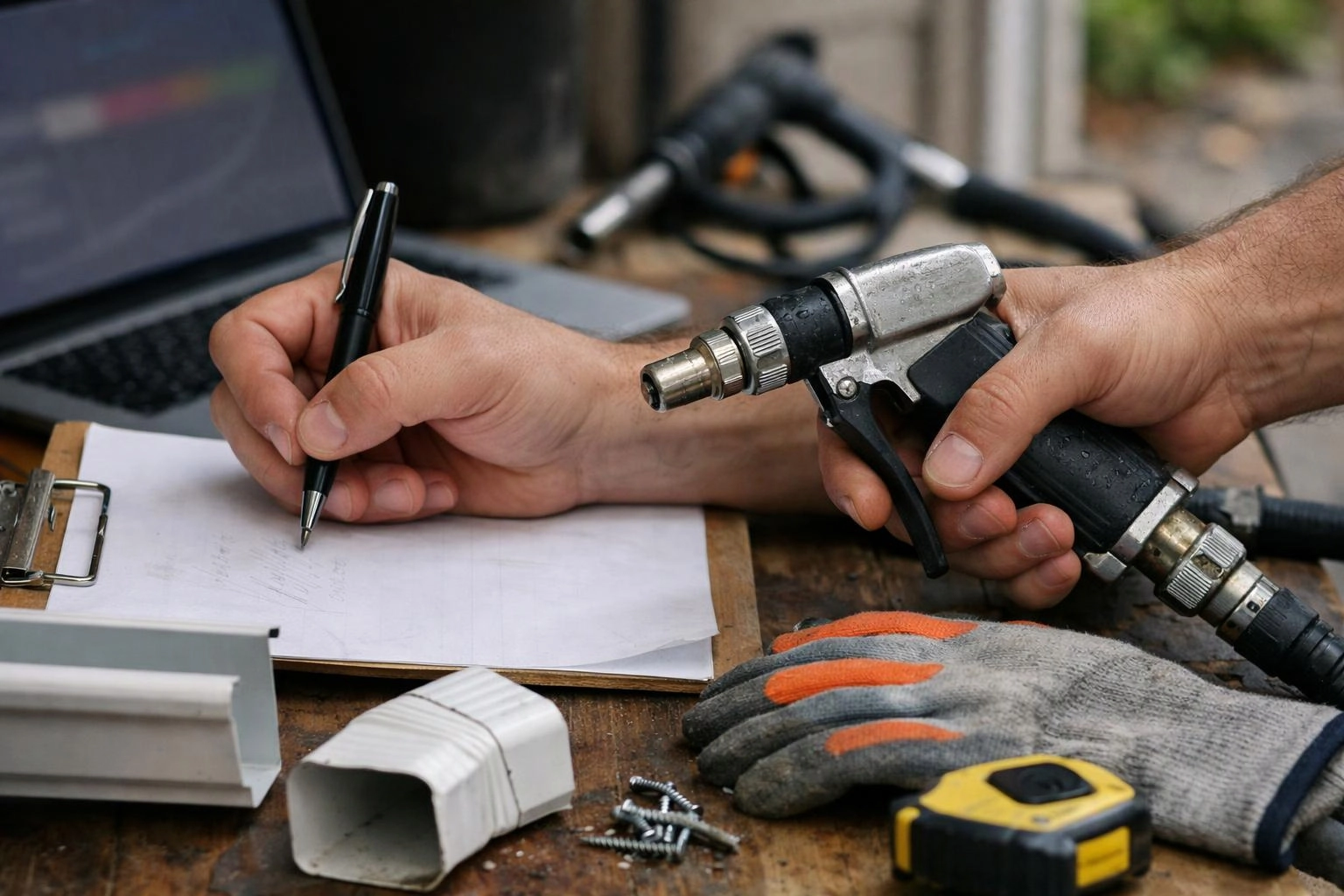
In Arkansas, the most common types of gutters are metal and PVC. Metal gutters, such as those made from copper, are popular due to their sturdiness and ability to handle extreme weather. Vinyl gutters are a cheaper option that is simple to set up and easy to maintain. The choice between these materials often depends on the specific needs of the homeowner. For trustworthy Gutter Installation in Arkansas in Arkansas, AGM Gutters provides professional guidance and effective solutions.
How do climate conditions in Arkansas affect gutter installation?
Arkansas has a moist continental climate, which means that heavy rainfall is common, especially during the spring and summer. This can influence the type of gutter system needed and the setup. In areas like Little Rock, where early season storms can be severe, homeowners often choose durable materials that can withstand the volume of water. Additionally, the state's precipitation trends and precipitation rates influence the layout and placement of gutters to ensure proper drainage.
What materials are best suited for Arkansas weather?
For Arkansas weather, metal gutters are often the preferred option due to their sturdiness and ability to handle extreme weather. Aluminum gutters are corrosion-resistant and can withstand extreme temperature changes. PVC gutters are also a good option for their cost-effectiveness and low upkeep. However, in areas with common storms or moisture levels, aluminum gutters may be more appropriate due to their resilience and extended life.
What is the typical cost of gutter installation in Arkansas?
The cost of gutter installation in Arkansas can vary depending on the kind of materials used and the dimensions of the house. Aluminum gutters tend to be costlier at the start but offer enduring quality and lower maintenance costs. Vinyl gutters are often more affordable but may need to be replaced often. On average, homeowners can anticipate paying between $3 and $10 per linear meter for skilled installation, depending on the materials and effort required.
What are the signs that gutters need maintenance in Arkansas?
There are several indications that indicate gutters may need maintenance in Arkansas. These include moisture accumulation around the base, sagging or separated gutters, and visible damage or leaks. In areas with heavy rainfall, such as Little Rock, it's crucial to regularly inspect gutters for these problems. Additionally, if the gutters are not channeling water away from the house efficiently, it may be a indication that they need to be fixed or substituted.