

Understanding Arkansas Weather Patterns
Arkansas climate is recognized by a mix of humid subtropical and temperate climates, with significant variations across the state. The weather conditions in Arkansas are influenced by its site in the southeastern United States, where warm, moist air from the Gulf of Mexico meets cooler air from the north. This creates a dynamic climate with distinct seasonal changes. Rainfall is a serious factor in the Arkansas climate, with the state receiving an average of 50 inches of rain annually. The eastern part of the state generally sees more rainfall than the western regions, making rainwater management a vital concern for homeowners.
Temperature fluctuations are another key aspect of the Arkansas climate. The state experiences warm summers and cold winters, with temperatures frequently ranging from underneath freezing in winter to over 90 degrees Fahrenheit in summer. These temperature changes can affect the materials used in gutter installation, as some materials may contract or expand with the heat or cold. Humidity also plays a role in the Arkansas climate, with high levels of moisture in the air contributing to the formation of mold and mildew. This humidity can impact the longevity of gutter systems, making it essential to choose materials that can withstand these conditions.
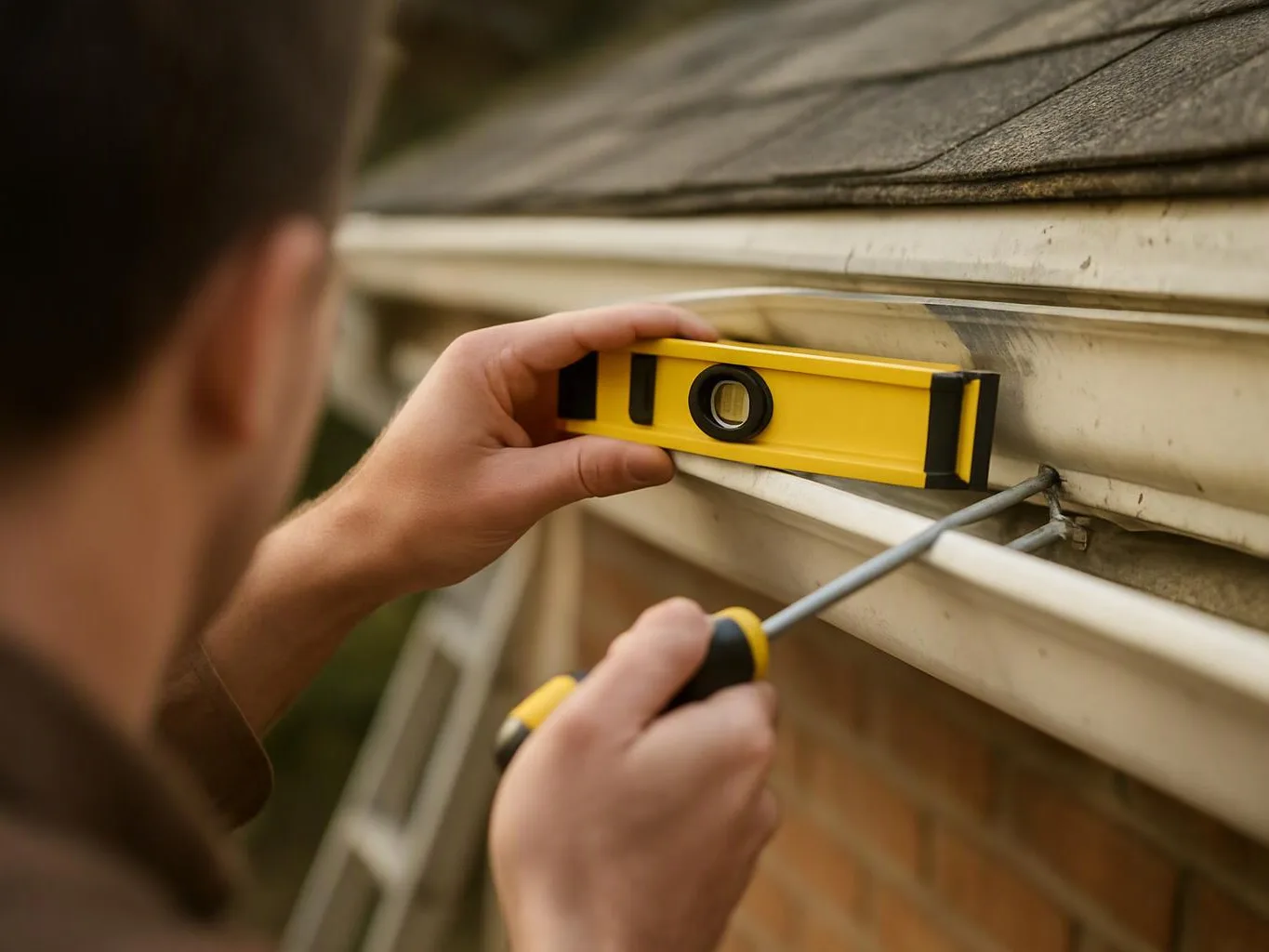
In cities like Little Rock, the average number of rainy days per year is around 130, which emphasizes the importance of a well-designed gutter system. Fayetteville, located in the Ozark Mountains, faces unique challenges with heavy spring rains and snowmelt, which can lead to increased runoff and possible flooding. The Arkansas River basin is another area where flooding is a concern, influencing gutter design and installation practices in nearby communities. https://nolan-le-2.federatedjournals.com/practical-pointers-for-organizing-how-gutter-installation-impacts-home-value-in-arkansas Understanding these weather patterns is vital for homeowners looking to safeguard their homes from the effects of the Arkansas climate.
Common Gutter Types in Arkansas
When it comes to gutter installation in Arkansas, homeowners have several options to choose from, each with its own set of advantages and disadvantages. K-shaped gutters are a popular choice due to their sleek, modern appearance and ability to blend with most rooflines. These gutters are designed to hold more water than other types, making them ideal for areas with heavy rainfall. Half-round gutters, on the other hand, have a more traditional look and are often used in historic homes or areas where aesthetics are a priority.
Aluminum gutters are another common option, known for their lightweight and corrosion-resistant properties. They are a cost-effective solution that can last for many years with proper maintenance. Metal gutters, while more durable, are heavier and may require additional support. They are often used in areas where strength and longevity are essential. Each of these gutter types has its own unique features, and the choice depends on the specific needs of the homeowner and the local climate conditions.
In Arkansas, where heavy rainfall is a common occurrence, the type of gutter installed can significantly impact a home's ability to manage rainwater effectively. K-shaped and curved gutters are often preferred for their capacity to handle large volumes of water, while aluminum alloy and carbon steel gutters offer durability and strength. Understanding the differences between these gutter types can help homeowners make informed decisions that align with their specific needs and the challenges posed by the Arkansas climate.
Why Material Choice Matters in Arkansas
The choice of material for gutter installation in Arkansas is crucial due to the state's unique weather conditions. Galvanized metal is a popular option because it is resistant to rust and can withstand the high humidity levels common in the region. This material is also strong and durable, making it suitable for areas prone to heavy rainfall and storm damage. Brass gutters, while more expensive, offer a long lifespan and a distinctive appearance that can enhance the curb appeal of a home. They are also resistant to corrosion, which is beneficial in a humid climate like Arkansas.
Vinyl gutters are another option that is gaining popularity due to their affordability and ease of installation. They are lightweight and resistant to cracking, making them a good choice for homeowners looking for a low-servicing solution. However, vinyl gutters may not be as sturdy as other materials and can be more susceptible to damage from extreme weather conditions. Stainless steel gutters are a high-quality option that offers excellent resistance to rust and corrosion, making them ideal for areas with high humidity and regular rainfall.
Each material has its own set of perks and drawbacks, and the option depends on the particular calls for of the homeowner and the local climate. In Arkansas, where heavy rainfall and humidity are common, selecting the right material is essential for ensuring the longevity and effectiveness of the gutter system. Homeowners should consider factors such as cost, durability, and maintenance requirements when making their decision.
Gutter installation Difficulties in Arkansas
Gutter installation in Arkansas comes with a set of particular challenges due to the state's climate. Severe rainfall is a important concern, as it can cause moisture buildup around a home's base, raising the chance of water damage and foundation destruction. In areas like Little Rock, where the average amount of stormy days is elevated, the need for an effective gutter network is even greater important. Water overflow chances are also a issue in the Arkansas stream area, where severe downpours can result in water to spill and ruin adjacent structures.
Severe weather harm is another issue that property owners in Arkansas deal with. The state is frequently experiences severe conditions events, including storms and twisters, which can cause destruction to gutters and other sections of a home. These tempests can cause trash accumulation in gutters, which can block the system and lower its impact. In addition, strong blasts can dislodge gutters from their supports, causing further harm and the importance for expensive fixes.
Soil wear is another challenge that can influence gutter networks in Arkansas. Intense rainfall can cause water drainage that erodes the earth around a home's base, possibly causing destruction to the building. This erosion can also affect the stability of the gutter setup, making it essential to place gutters that can resist these circumstances. Homeowners should be aware of these issues and make proactive actions to guarantee their gutter networks are adequately placed and serviced.
Overcoming these problems needs a thorough understanding of the local climate and the particular needs of each home. By picking the correct components and setup techniques, homeowners can safeguard their homes from the impacts of severe precipitation, weather damage, and soil wear. This preventative strategy besides helps stop destruction but also guarantees the long-term efficiency of the gutter system.
Top Guidelines for Gutter Installation in Arkansas
When it comes to gutter installation in Arkansas, implementing best practices is crucial to make sure the system functions efficiently and lasts for years. An of the most important factors is downspout location. Correctly placed downspouts direct rainwater from the property's foundation, lowering the risk of flood damage and soil erosion. In Arkansas, where intense rain is frequent, it's important to confirm that water spouts are placed at minimum five feet from the structure and that they are connected to a runoff system that can handle the amount of liquid.
Inclination standards are an critical factor in gutter setup. Gutters need to be installed with a minimal gradient to enable liquid to drain effectively towards the rain spouts. A standard slope is one-quarter inch for 10 feet of gutter dimension. This makes sure that liquid doesn't accumulate in the gutters, which can lead to overflow and damage. In regions with significant precipitation, such as Little Rock, ensuring the correct gradient is essential to prevent water from backing up and leading to issues with the property's structure.
Continuous gutters are a favored selection in Arkansas due to their resilience and efficiency. Unlike standard gutters that have several joints, continuous gutters are fabricated from a one piece of material, minimizing the risk of drips and blockages. This suits them perfect for regions with significant precipitation, as they can manage large volumes of precipitation without damaging their structure. Residents in Fayetteville, where spring precipitation and frost melt can be substantial, frequently choose unbroken gutters to make sure their properties are secured from the weather. https://zenwriting.net/growthcrocus17/comparing-choices-for-gutter-installation-in-arkansas-a-homeowners-handbook
Gutter protection are another important element of a well-constructed gutter system. These protection assist avoid foliage, trash, and other materials from obstructing the gutters, which can lead to water overflow and harm. In Arkansas, where moisture and rainfall are high, gutter covers can significantly lower the need for ongoing upkeep and service. By including these recommended procedures into the setup process, homeowners can ensure their gutter installations are successful, long-lasting, and adequately suited to the local climate.
Price and Maintenance in Arkansas
The cost of gutter installation in Arkansas can change depending on several elements, including the type of resources used, the dimensions of the home, and the complexity of the setup. On usual, homeowners can anticipate to pay between $3 and $7 per linear foot for qualified installation. This range can be affected by the particular needs of the home and the local market circumstances. For illustration, in cities like Little Rock, where the requirement for gutter systems is elevated due to frequent rainfall, the cost may be on the increased side.
Upkeep frequency is another important point for homeowners in Arkansas. Regular care is necessary to confirm the efficiency of the gutter device, especially in zones with significant rainfall and dampness. Homeowners should review their gutters at least two times a year, preferably in the spring and fall, to check for trash, leaks, and harm. In cities like Fayetteville, where intense season rains and melting snow can lead to higher runoff, higher regular checks may be required to prevent obstructions and excess.
Area professionals have a role a crucial part in the installation and care of gutter devices in Arkansas. Picking a well-known regional professional makes sure that the installation is executed accurately and that any issues are dealt with immediately. Contractors who are knowledgable with the area climate and weather trends can offer important knowledge and recommendations personalized to the exact requirements of the home. This is specifically important in areas like the Arkansas river region, where water overflow is a concern and adequate gutter planning is necessary.
Ceiling damage prevention is a key advantage of a carefully maintained gutter unit. By properly controlling precipitation, gutters assist safeguard the roof from liquid injury, which can cause to costly repairs. In Arkansas, where intense precipitation is typical, a correctly set up and cared for gutter system is vital for protecting the foundation of the residence's build. Residents should emphasize frequent care and partner with experienced local professionals to confirm their gutter units are operating optimally.
What are the most common types of gutters used in Arkansas?
In Arkansas, the most common types of gutters include K-profile gutters, semi-circular gutters, aluminium gutters, and metal gutters. K-style gutters are popular for their up-to-date appearance and ability to hold more water, making them suitable for areas with heavy rainfall. Semi-circular gutters have a traditional look and are often used in vintage homes. Aluminum gutters are compact and corrosion-resistant, while metal gutters offer strength and resilience. For dependable Gutter Installation in Arkansas in Arkansas, AGM Gutters provides seasoned guidance and practical solutions.
How do climate conditions in Arkansas affect gutter installation?
Climate conditions in Arkansas, such as torrential rain, temperature shifts, and high humidity, have a major effect on gutter installation. Homeowners must choose materials and designs that can withstand these conditions. For example, in areas like Little Rock, where the mean count of wet days is high, the need for an effective gutter system is essential. The Arkansas River basin also goes through flooding, affecting gutter construction and placement approaches in nearby areas.
What materials are best suited for Arkansas weather?
Materials such as zinc-coated steel, metallic gutters, plastic gutters, and stainless metal are well-suited for Arkansas weather. Galvanized steel is less prone to rust and can endure humid conditions. Brass gutters offer a lasting durability and a unique appearance. PVC gutters are inexpensive and easy to install, while stainless metal provides great protection to rusting and decay.
What is the typical cost of gutter installation in Arkansas?
The typical cost of gutter installation in Arkansas ranges from 3 to 7 per linear foot. This can vary based on the kind of materials used, the scale of the property, and the level of complexity. In cities like Little Rock, where the requirement for gutter systems is high due to recurring rain, the cost may be on the higher side. Area professionals can supply more accurate quotes based on the individual requirements of the property.
What are the processes involved in professional gutter deployment?
Skilled gutter installation involves several procedures, including assessing the home's demands, choosing the appropriate supplies, calculating and adjusting the gutters, setting them with the correct slope, and connecting them to water channels. In Arkansas, where extensive rain is common, it's important to confirm that the installation is done properly to prevent flood damage. Local contractors with background in the region can supply valuable insights and guarantee the system is functional and robust.