

Knowing Gutter Installation Permits in Fort Smith
Gutter installation in Arkansas is more than just a home improvement project—it’s a legal requirement in many areas, particularly in cities like Fort Smith. Before beginning any work, residents should understand the local permit procedure. In Fort Smith, the city requires a permit for all new gutter installations. This confirms that the work meets area building codes and protection guidelines. The permit workflow generally involves submitting plans and paying a fee, which can vary depending on the scope of the undertaking.
Arkansas, like many states, has exact regulations that apply to gutter installation. These rules are in place to shield residents from possible damage caused by improper installation. For example, gutters must be installed at the correct slope to make sure proper drainage. Failure to follow these guidelines can lead to water pooling around the foundation, which can cause structural damage over time.
Homeowners in Fort Smith should contact the City of Fort Smith Building Department to learn more about the permit process. This department can provide detailed information on what is required, how to apply, and what to expect during the review process. It’s also a good idea to consult with a professional gutter installer who is familiar with local codes. One such company is AGM Gutters, which has experience working with homeowners in the area.
Permits are not just a formality—they are a way to ensure that the work is done correctly and safely. By following the proper procedures, homeowners can avoid costly repairs and potential legal issues down the line.
Important Factors for Gutter Installation in Arkansas
When it comes to gutter installation in Arkansas, the climate plays a significant role in determining the best approach. The state encounters a wide range of weather, from heavy rainfall to unexpected temperature changes. These elements can affect the function of gutters and the supplies used. Homeowners should consider the local climate when planning their gutter installation.
In Arkansas, the weather can be variable. Spring and warm season often carry thunderstorms and heavy rains, while winter can bring freezing temperatures and snow. These conditions can impact the longevity of gutters and the effectiveness of runoff systems. For example, heavy rain can exceed incorrectly installed gutters, causing to moisture damage. On the alternative hand, cold temperatures can lead to frost dams, which can damage both the gutters and the roof.
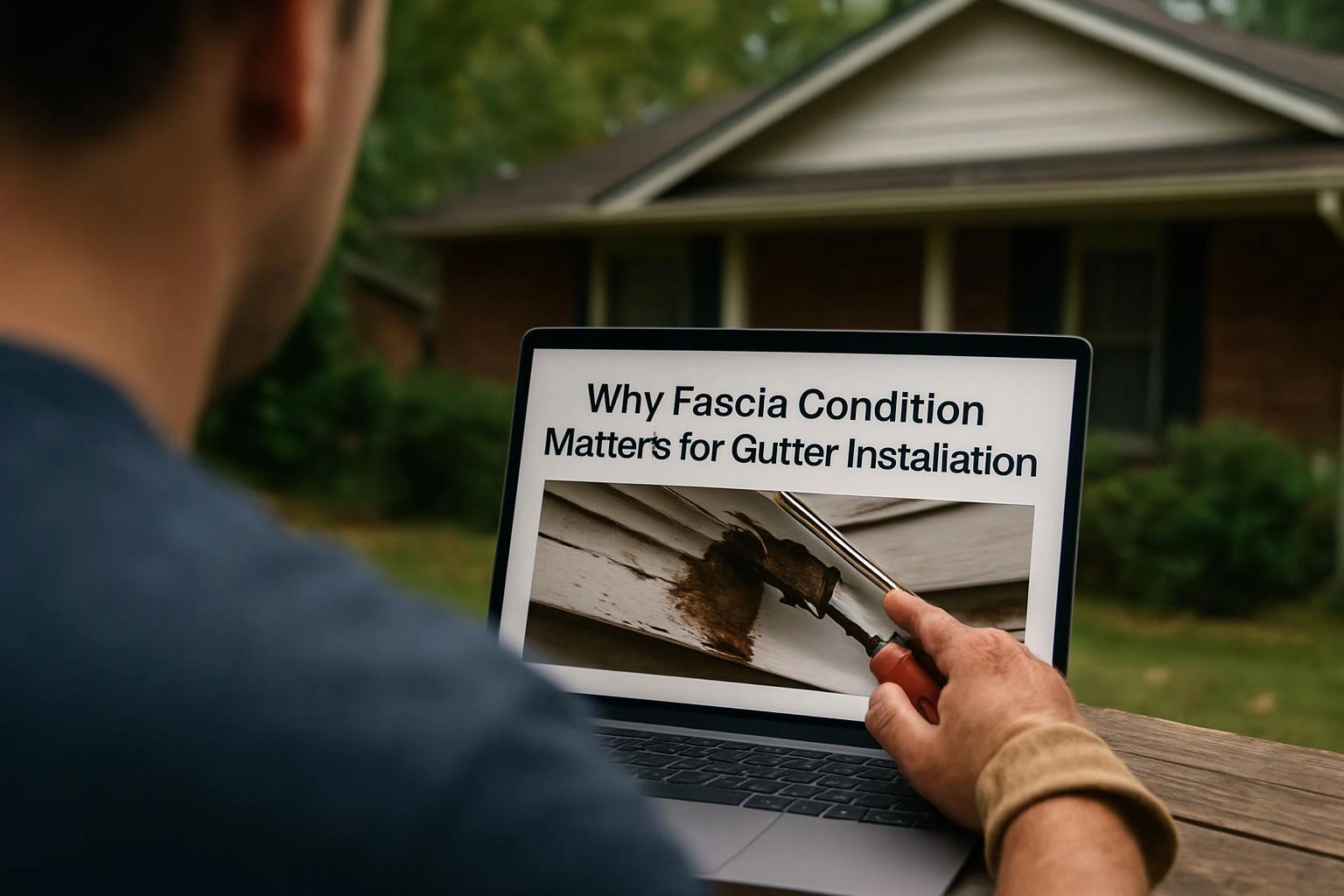
The option of components is also important. Gutters must be able to endure the elements without deteriorating fast. Components like aluminum alloy, steel, and metal are commonly used in Arkansas due to their longevity and resistance to degradation. Homeowners should choose materials that are suited for the regional climate and that can deal with the expected climate.
In furthermore to environment, the local building regulations must be followed. These regulations are created to ensure that gutters are installed in a way that protects the home and its area. Grasping these criteria can help homeowners steer clear of expensive errors and ensure that their gutters operate properly for time to come.
How Weather Affects Gutter setup in Little Rock and Fayetteville
The environment in Little Rock and Fayetteville has a direct effect on how gutters are placed and cared for. Both cities encounter a humid subtropical weather, which means they observe a great deal of rainfall throughout the year. This can lead to regular waterlogging if gutters are not correctly set up. In Little Rock, for instance, the city is susceptible to severe rainfalls that can surpass drainage systems. Homeowners in this zone must guarantee that their gutters are installed with the correct inclination and that they are attached to drain pipes that lead water away from the residence.
Fayetteville, located in the Ozark Mountains, has a slightly different climate. The region experiences more seasonal variation, with cold winters and warm summers. This means that gutters must be able to handle both heavy rain and freezing temperatures. In Fayetteville, it’s important to use materials that can withstand extreme weather conditions. For instance, galvanized steel or metal gutters are often recommended due to their durability and resistance to rust.
In both cities, the local building codes require gutters to be installed in a way that prevents water from pooling around the foundation. This includes ensuring that the gutters are properly sealed and that the downspouts are directed away from the home. Failure these guidelines can lead to water damage, which can be high to repair.
Best Options for Gutter Installation in Arkansas
Picking the right materials for gutter installation in Arkansas is crucial for long-term effectiveness. The state’s environment, with its variety of rain, gales, and heat variations, requires choices that are both sturdy and capable to degradation. Property owners should assess the local conditions when selecting choices to ensure that their gutters can endure the forces.
Aluminum is a well-liked selection for gutters in Arkansas due to its lightweight attribute and ability to corrosion. It is also relatively affordable, making it a good choice for many homeowners. However, aluminum can be prone to bumps, especially in regions with intense moisture or falling objects. Steel gutters, on the other, are higher durable and can handle severe conditions. Galvanized steel is notably resistant to oxidation and is a solid option for residences in regions with high moisture.
Copper gutters are another selection, though they are higher pricy. They are known for their endurance and resistance to degradation, making them a solid investment for residents who want a enduring answer. However, copper can be greater vulnerable to damage from severe conditions, so it’s crucial to place them properly.
In furthermore to the material itself, the type of gutter unit can also influence effectiveness. Jointless gutters are often selected in Arkansas because they lower the possibility of breaks and are more straightforward to maintain. These gutters are custom-made to match the residence’s dimensions, ensuring a tight match and improved drainage.
Selecting the Right Gutter setup for Springdale and Rogers
Springdale and Rogers, two towns in North Western Arkansas, have special environment circumstances that affect the variety of gutter setup that is best appropriate. Both regions experience a variety of significant rainfall and infrequent extreme conditions, making it important to select a gutter system that can handle these circumstances.
In Springdale, where the environment is higher moderate, homeowners often opt for metal or tinned metal gutters. These materials are sturdy and can endure the local frequent rain. Jointless gutters are also a popular selection in this area due to their capacity to avoid breaks and lower maintenance requirements. The installation of gutters in Springdale should also take into account the area topography, as some areas may be higher prone to flooding or water accumulation.
Rogers, located near the Ozark Mountains, has a slightly different climate. The city experiences more seasonal variation, with colder winters and warmer summers. This means that gutters must be able to handle both heavy rain and freezing temperatures. In this area, galvanized steel gutters are often recommended for their durability. Homeowners should also ensure that their gutters are installed with the correct slope to prevent water from backing up and causing damage.
In both cities, it’s important to work with a experienced contractor who understands the local conditions. A trusted provider like AGM Gutters can provide guidance on the best gutter system for each home based on its specific needs and location.
Regional Building Codes for Gutter Installation in Arkansas
Building codes for gutter installation in Arkansas are designed to confirm that all installations meet safety and efficiency requirements. These codes vary by city, but they normally include standards related to materials, installation techniques, and drainage. Residents should familiarize themselves with the exact codes in their area to avoid any issues during the installation workflow.
In Fort Smith, for example, the area building codes need that gutters be installed with a minimum slope of 1/4 inch per 10 feet of length. This ensures that water flows correctly and does not accumulate in the gutters. The codes also specify that gutters must be attached to the fascia board using approved fasteners and that downspouts must be properly routed to stop water from pooling around the foundation.
Other cities in Arkansas, such as Little Rock and Fayetteville, have similar standards. These codes frequently include guidelines on the types of materials that can be used, the placement of gutters, and the require for proper drainage. In some cases, local codes may also call for that gutters be installed in a way that prevents ice dams from forming during the winter months.
Residents should also be aware of any additional requirements that may apply to their particular site. For example, some areas may have restrictions on the types of materials that can be used or may require permits for certain types of installations. It’s routinely a good idea to review with the local building department or consult with a professional installer to ensure that all requirements are met.
Compliance with Codes in Jonesboro and North Little Rock
Jonesboro and North Little Rock have specific building codes that apply to gutter installation, ensuring that all work meets local safety and performance standards. These codes are designed to protect homeowners from potential damage and to maintain the integrity of the surrounding infrastructure.
In Jonesboro, the local building codes require that gutters be installed with a minimum slope of 1/4 inch per 10 feet of length. This ensures that water flows efficiently and does not accumulate in the gutters. The codes also specify that gutters must be attached to the fascia board using approved fasteners and that downspouts must be properly routed to prevent water from pooling around the foundation. In addition, the city may require that homeowners obtain a permit for any new gutter installation, which helps ensure that the work is done correctly and in compliance with local regulations.
North Little Rock has comparable requirements, with a focus on adequate drainage and material selection. The city’s codes highlight the significance of using durable materials that can withstand the region’s conditions. Homeowners in North Little Rock should also confirm that their gutters are placed with the correct slope and that water pipes are placed away from the home to prevent moisture damage. As with various cities in Arkansas, it’s important to seek with a experienced technician or the local construction office to confirm total compliance with all codes and standards.
Price of Gutter Installation in Arkansas
The price of gutter installation in Arkansas can vary depending on numerous factors, including the type of materials used, the size of the residence, and the complexity of the installation. On average, property owners can expect to pay between $3 and $10 per linear foot for professional installation. This range includes both the cost of materials and labor, though the exact price will depend on the exact project.
In smaller cities like Conway and Bentonville, the cost of gutter installation may be slightly lower due to differences in labor rates and material availability. Nevertheless, these areas may also have unique requirements that can affect the overall cost. For example, homes in Bentonville may require more extensive drainage solutions due to the region’s topography, which can increase the price of the project. https://md.coredump.ch/QcvaIfP2RzGhprUh1tlWDA
Residents should also evaluate the long-term value of their investment. While it may be tempting to choose the cheapest option, it’s essential to select materials and installation methods that will last for many years. This can support avoid the need for regular repairs or replacements, which can add up over time.
Gutter Installation Costs in Conway and Bentonville
Conway and Bentonville, two cities in central Arkansas, have their own unique considerations that influence the cost of gutter installation. In Conway, the average cost for qualified installation ranges from $4 to $10 per linear foot. This includes the cost of materials such as aluminum or galvanized steel, as well as labor for installation. The cost can vary depending on the size of the home and the complexity of the job.
In Bentonville, the cost of gutter installation is similar, with an average range of $5 to $12 per linear foot. This higher range is due to the city’s larger size and the increased demand for professional services. Bentonville also has specific building codes that may require additional work, such as improved drainage systems or the use of more durable materials. These factors can contribute to a higher overall cost.
Residents in both cities should also weigh the long-term benefits of investing in high-quality gutters. While the initial cost may be higher, the durability and efficiency of the installation can save money over time by reducing the need for repairs and replacements.
Maintenance Tips for Gutters in Arkansas
Regular maintenance is essential for ensuring that gutters in Arkansas work properly and continue for many years. Without proper care, gutters can become clogged, leading to water damage and other issues. Homeowners should take the time to maintain their gutters regularly, especially after periods of heavy rain or strong winds.
One of the most important maintenance tasks is checking the gutters. Debris such as leaves, twigs, and dirt can accumulate in the gutters, hindering the flow of water. This can lead to water pooling around the foundation, which can cause structural damage. Homeowners should inspect their gutters at least twice a year, or more frequently if they live in an area with heavy tree cover. https://codimd.syssec.org/ik2zUHx4RNCBnzzFmLM5SA
In addition to cleaning, homeowners should inspect their gutters for signs of damage. This includes checking for leaks, cracks, and loose fasteners. Any issues should be addressed promptly to prevent further damage. It’s also a good idea to review the downspouts to ensure that they are guiding water away from the home and not resulting in erosion around the foundation.
How Often Should Gutters Be Cleaned in Pine Bluff?
In Pine Bluff, the frequency of gutter inspection depends on several factors, including the local climate and the amount of tree cover in the area. Homeowners in Pine Bluff should intend to clean their gutters at least twice a year—once in the spring and once in the fall. This helps prevent debris buildup and ensures that the gutters can operate properly during the rainy season.
During the spring, heavy rains can result in a lot of debris to build up in the gutters, making it important to clean them before the summer months. In the fall, leaves and other organic materials can clog the gutters, leading to water damage if not removed. Homeowners should also think about cleaning their gutters more frequently if they live near trees or in areas with high wind activity.
In addition to consistent cleaning, homeowners should also review their gutters for indicators of wear. This includes looking for leaks, cracks, and loose fasteners. Any issues should be addressed promptly to prevent further damage. It’s also a good idea to inspect the downspouts to ensure that they are directing water away from the home and not causing erosion around the foundation.
FAQ
What are the most common varieties of gutters applied in Arkansas?
Aluminum, galvanized steel, and copper gutters are the most common varieties applied in Arkansas. These substances are chosen for their resilience and capacity to endure the region’s climatic situations.
How do climate conditions in Arkansas impact gutter installation?
Arkansas encounters a wide scope of meteorological conditions, including intense precipitation and icy temperatures. These environments can influence the operation of gutters, ensuring it is vital to opt the correct elements and placement methods to ensure adequate drainage and prevent water injury.
What substances are most appropriate for Arkansas meteorological?
Aluminum, galvanized steel, and copper are all well-suited for Arkansas climatic. These materials are durable, immune to corrosion, and can cope with the region’s common precipitation and thermals variations.
What is the typical price of gutter installation in Arkansas?
The usual price of gutter installation in Arkansas spans from $3 to $10 each linear meter, depending on the substances applied and the level of the project. This includes both the expense of elements and labor.
What are the procedures involved in professional gutter placement?
Skilled gutter installation typically comprises evaluating the residence, picking the right substances, measuring and trimming the gutters, fastening them to the roof edge, and guaranteeing sufficient water flow. A skilled technician will also check for any likely issues and make necessary adjustments to ensure the gutters work adequately.